Ultimate Guide to Test Cricket Rules: Everything You Need to Know

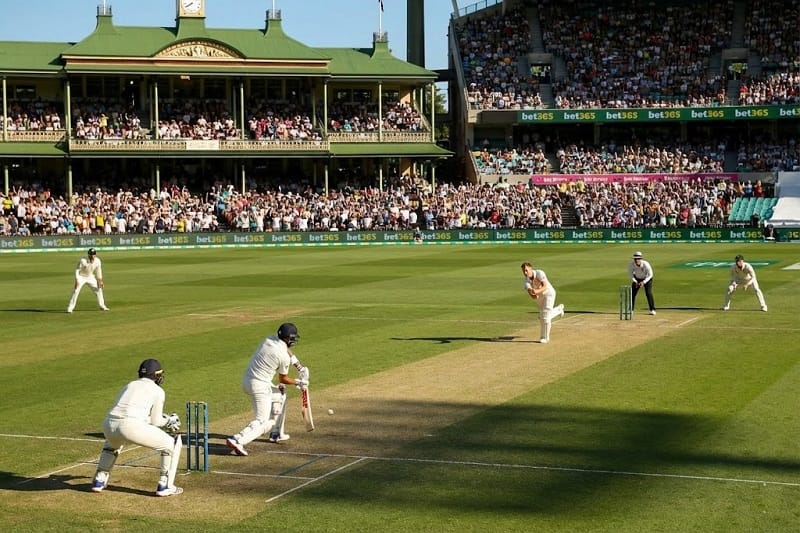
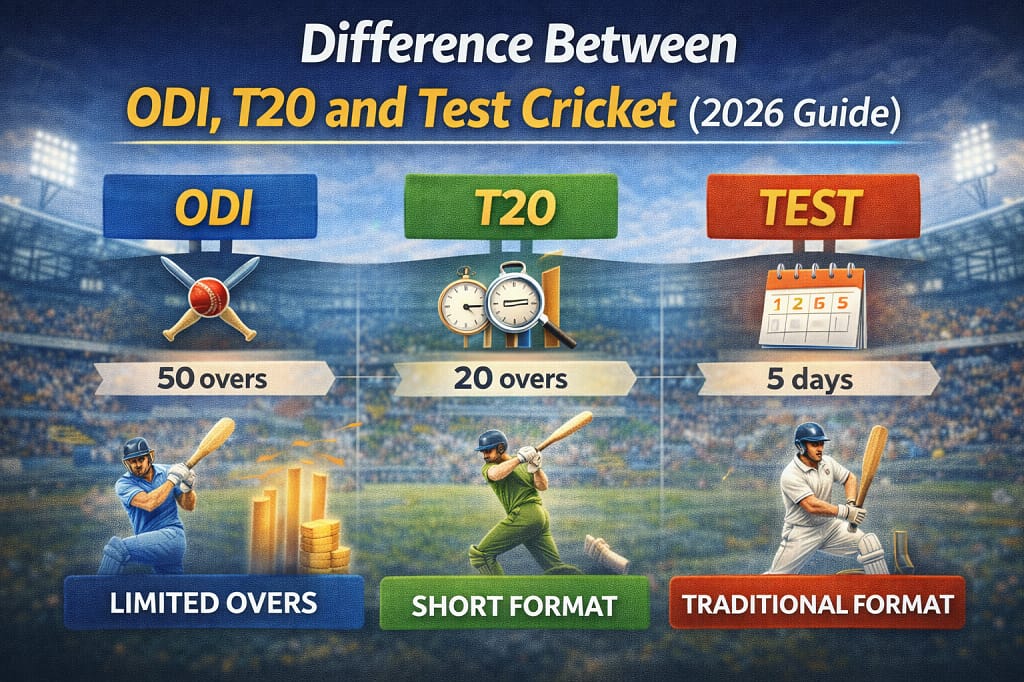
Test cricket, often called the “original format” of the sport, is the longest form of cricket played professionally. It has a unique charm and depth that draws in audiences with its strategy, patience, and history. Test matches are played over five days, with two innings per team, offering a slower, more strategic pace compared to the faster-paced formats like One Day Internationals (ODIs) or Twenty20 (T20) cricket.
Why Test Cricket is Considered the Oldest and Most Prestigious Format
The Birth of Test Cricket
Test cricket traces its roots back to the early days of the sport, originating in England in the 19th century. The first-ever Test match took place in 1877 between Australia and England in Melbourne. This match set the standard for all future Test matches, with the format maintaining its essential structure over the years. The very fact that Test cricket has been around for over 140 years adds to its heritage, making it a symbol of cricket’s rich history.
The Five-Day Format: A Test of Patience and Skill
What sets Test cricket apart from other formats is its length and the way it tests a player’s mental toughness. Matches last for up to five days, which is a unique feature. Unlike ODIs or T20s, where games can be won in a matter of hours, Test cricket requires endurance, concentration, and adaptability. Teams need to perform consistently for a long period, making it not just a physical battle, but a mental one too.
This extended format allows for more complex strategies, allowing teams to slowly build an innings or break the opposition’s momentum over multiple sessions. The cricket pitch itself plays a significant role, with conditions evolving over the course of the match, adding another layer of strategy. The longer the game, the more factors come into play, and every session can lead to new developments.
The Prestige of Test Cricket
In the cricket world, Test cricket is often regarded as the “true test” of a player’s ability. While T20s and ODIs have their own excitement, many players and fans consider Test cricket the ultimate form of the game. This is largely because of the depth and complexity involved. It’s not just about scoring runs or taking wickets quickly. It’s about patience, strategy, and resilience.
Winning a Test match is considered one of the highest achievements in cricket because it requires a deep understanding of the game, a balance between skill and endurance, and the ability to handle pressure over an extended period. For cricketers, playing in Test matches is often seen as a career-defining moment. Legendary players like Sir Donald Bradman, Sachin Tendulkar, and Shane Warne are celebrated for their achievements in Test cricket, cementing the format’s prestigious status.
Test cricket is also home to the ICC World Test Championship, a league that further solidifies the format’s global importance. With teams competing for the title of world’s best, the stakes in Test cricket have never been higher. Fans all over the world cherish these long, drawn-out battles because they often result in some of the most memorable moments in cricket history.
Key Rules of Test Cricket
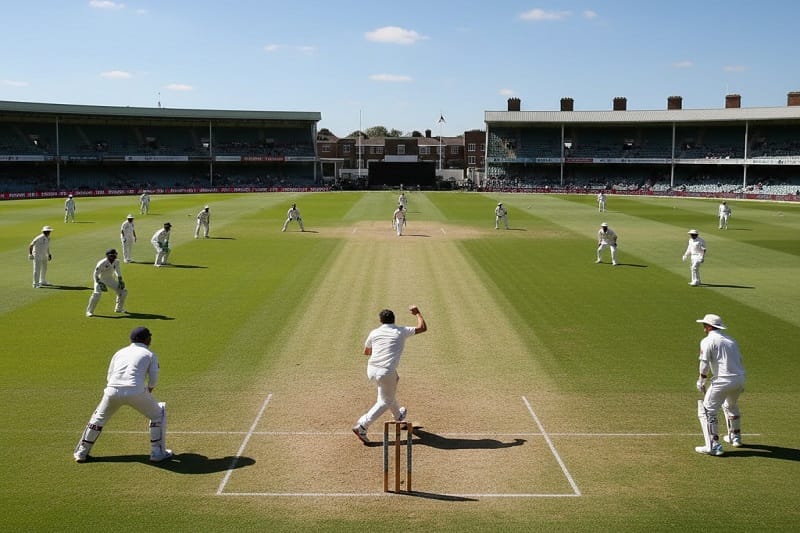
Test cricket is the longest and most traditional form of cricket, known for its deep strategy and unique rules. The format requires both teams to play two innings each, over a span of five days, testing their skill, endurance, and patience. In this section, we will break down some of the key rules of Test cricket to help you better understand the game.
Match Duration and Structure
Duration of a Test Match (5 Days)
One of the most distinctive features of Test cricket is its duration. A Test match is played over five days, with each day consisting of about 6 hours of play. Unlike limited-overs formats such as ODIs or T20s, Test cricket is drawn out and can see multiple changes in momentum over the course of the match. The extended format allows the game to unfold slowly, creating a more detailed and strategic contest.
Innings and Overs per Session
Each Test match consists of two innings per team. The batting team’s goal is to score as many runs as possible, while the fielding team aims to dismiss the batters. A typical day of play is divided into three sessions:
| Session | Time | Duration |
| Morning Session | 10:00 AM – 12:00 PM | 2 hours |
| Afternoon Session | 12:40 PM – 2:40 PM | 2 hours |
| Evening Session | 3:00 PM – 5:00 PM | 2 hours |
Each session sees the bowlers bowling a set number of overs (usually 15 per session). At the end of the day, no matter the progress, the play stops, and the teams rest overnight.
Breaks (Lunch, Tea, and End of Play)
Test cricket includes breaks that structure the day’s play:
- Lunch break: This typically happens after the first session, lasting 40 minutes.
- Tea break: The second break is after the afternoon session, lasting 20 minutes.
- End of play: Play ends after the evening session, around 6 PM, or as decided by the umpire, usually due to fading light or weather conditions.
Scoring and Dismissal Rules
How Runs Are Scored
In Test cricket, runs are scored through several methods:
| Method | Description |
| Running Between the Wickets | Batters hit the ball and run back and forth between the stumps. They score one run each time they complete the full distance. |
| Boundaries | – 4 runs: If the ball crosses the boundary line on the ground. – 6 runs: If the ball clears the boundary without touching the ground. |
| Extras | Runs can also be awarded as extras, such as: – Wides: If the bowler delivers a ball that the batter cannot reach. – No-balls: When the bowler breaks specific rules. – Byes: Runs taken when the batter misses the ball and it passes the wicketkeeper. – Leg byes: Runs taken when the ball hits the batter’s body (excluding the bat) but not the stumps. |
Common Methods of Dismissal
| Method | Description |
| Bowled | The ball hits the stumps and knocks the bails off, causing the batter to be out. |
| Caught | If the batter hits the ball with their bat (or gloves) and the ball is caught by a fielder, wicketkeeper, or bowler before it touches the ground. |
| LBW (Leg Before Wicket) | The batter’s leg intercepts the ball in line with the stumps, and the ball would have hit the stumps if it weren’t for the leg. |
| Run Out | The batter is out of their crease when the fielding team breaks the stumps with the ball. |
There are other methods of dismissal, but these are the most common in Test cricket.
No Field Restrictions or Powerplays
Unlike limited-overs formats, Test cricket does not have powerplays or restrictions on field placements. This means captains can set fielding positions that they think are best suited to the bowler’s strategy and the game’s needs. This allows for more strategic and dynamic play throughout the match.
Follow-On Rule
What is the Follow-On Rule?
The Follow-On rule comes into play when one team scores a significantly higher number of runs than the other. If the team that bats first scores a total that is at least 200 runs more than the second team, the captain of the leading team has the option to enforce the follow-on. This means that the second team must bat again immediately, without taking a break between innings.
When and Why It Is Enforced
The follow-on rule is often used strategically to force the opposing team into batting again quickly, giving the leading team a chance to dismiss them early and finish the match sooner. The decision to enforce the follow-on depends on several factors, such as the condition of the pitch, the weather, and the team’s confidence in their bowlers.
Declarations
What is a Declaration and Its Strategic Importance?
A declaration occurs when a batting team voluntarily ends their innings before all 10 players are out. The captain can declare when they feel their team has scored enough runs to put pressure on the opposition. Declarations are a key tactical move in Test cricket, and they are usually made when the batting team believes they can set up a result — either by forcing the opposition to bat under pressure or allowing their bowlers enough time to take 20 wickets.
Example of When a Team Declares
A common example is when a team has scored a substantial number of runs, but there’s still a chance of finishing the match within the allocated 5 days. For instance, if a team scores 450 runs, they might declare, giving themselves a chance to bowl out the opposition within the remaining time.
Overs and New Ball
Overs Per Day and the Use of the New Ball After 80 Overs
In Test cricket, a team bowls a set number of overs per day. Typically, each team bowls 90 overs across a 5-day Test match. After 80 overs, the bowling team has the option to take the new ball, which is a fresh ball that has not been used in the match. The new ball behaves differently, often swinging or seaming more than the older ball, which can create an advantage for bowlers. Teams usually wait for the 80-over mark to take the new ball, depending on the conditions and how effective the old ball is.
Unique Features of Test Cricket
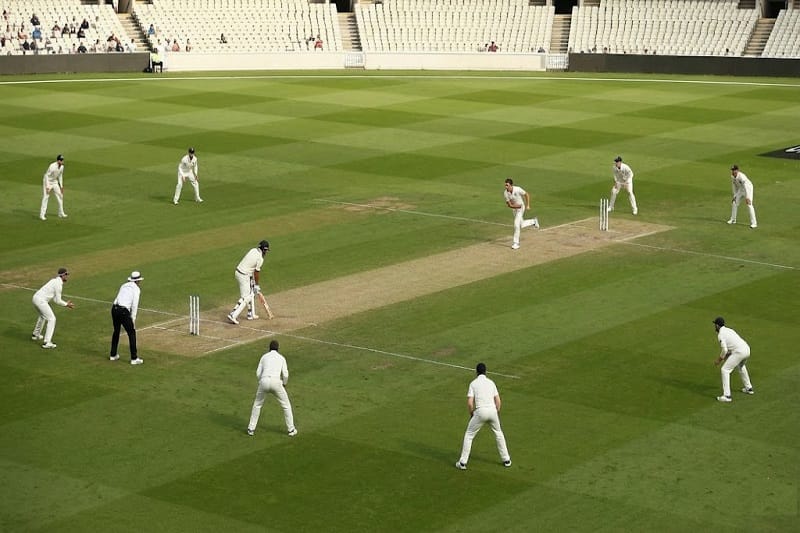
Test cricket is unlike any other format of the game, with features that set it apart from limited-overs formats like ODIs and T20s. These unique aspects make Test cricket a game of endurance, skill, and deep strategy. Let’s take a look at two of the most distinctive features of Test cricket:
No Powerplays and The Art of Patience and Strategy
No Powerplays
The Difference Between Test and Limited-Overs Formats Regarding Field Placements
One of the most noticeable differences between Test cricket and its limited-overs counterparts is the absence of powerplays. In formats like T20 and ODIs, there are strict rules about field placements, especially in the early stages of the game. Powerplays, for example, limit the number of fielders allowed outside the 30-yard circle during the first part of an innings.
In Test cricket, however, there are no field restrictions. The captain can set the field however they see fit, and there are no constraints on where fielders can be placed. This offers a significant advantage to teams in terms of strategy. Captains and bowlers can adjust field placements to attack specific batters or defend against a particular kind of delivery. This freedom allows for more creative and dynamic tactics, especially on different pitches and against various opponents.
Test cricket’s open fielding allows for a more nuanced approach. For instance, in the early part of an innings, a captain might place a few fielders close to the batter to encourage mistakes, while later in the innings, they might set a more defensive field to prevent easy runs.
The Art of Patience and Strategy
How Test Cricket Requires Patience and Tactical Thinking
Test cricket is not a game for the impatient. Unlike the fast-paced action of T20s or the quicker, result-oriented nature of ODIs, Test cricket is all about patience. A Test match is a marathon, not a sprint. Every decision, every shot, every delivery, and even every over has a purpose.
For the batters, it’s about building an innings slowly, taking time to read the pitch conditions, adjusting to the bowlers, and capitalizing on scoring opportunities when they arise. A good Test batter needs to be able to survive the long hours of batting, often with bowlers relentlessly testing their defenses. It’s about taking a measured approach — sometimes leaving deliveries, sometimes defending, and other times capitalizing on a loose ball when the opportunity presents itself.
For bowlers, Test cricket is a game of attrition. Instead of simply trying to bowl out the opposition quickly, bowlers need to work on creating pressure over time. This involves setting up batsmen with deliveries that look similar but vary in line, length, and speed, all aimed at frustrating the batter into making mistakes. The patience of the bowler is just as important as the batter’s endurance.
The Psychological Aspect of Test Cricket
Test cricket isn’t just physically demanding; it’s also a psychological battle. Both batters and bowlers must withstand immense mental pressure over several days. A batter who’s been on the crease for hours might find it hard to keep their focus sharp, while a bowler might feel the fatigue after delivering hundreds of balls.
The mental resilience required in Test cricket is immense. Batsmen need to maintain concentration for long periods, often with fielders close by, and they must avoid getting frustrated when runs come slowly. Bowlers must stay patient, even if they’ve bowled many overs without taking a wicket, and maintain their composure while looking for their next breakthrough. This psychological challenge is what separates Test cricket from the fast and more straightforward formats of the game.
In fact, many consider Test cricket a test of mental strength more than just physical skill. When one team is on the back foot, it often takes a massive mental effort for them to bounce back.
Understanding Test Cricket: Rules, Strategy, and Key Insights
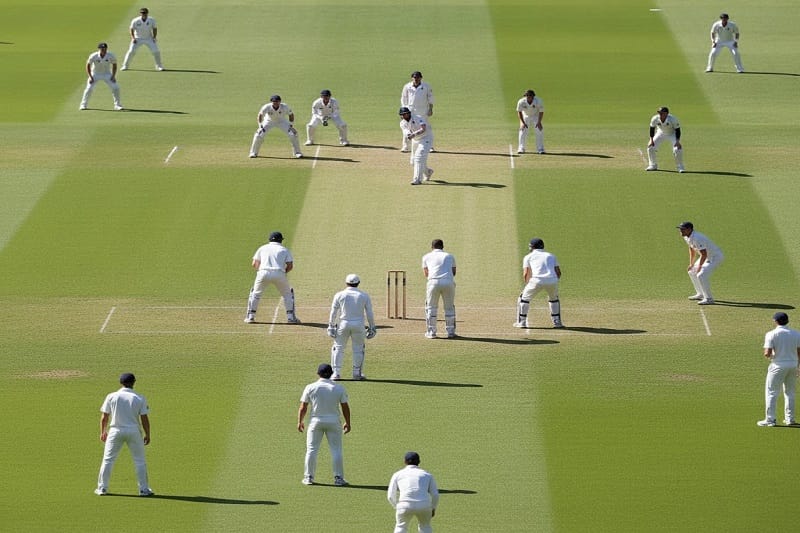
Test cricket is a game of strategy, patience, and skill. Unlike the fast-paced formats like T20 or ODIs, Test cricket demands a different approach. Teams spend up to five days on the field, and every move, from field placements to partnerships, is planned to outsmart the opposition. This article will explore the key strategies, rules, and nuances that make Test cricket a game like no other.
Understanding Test Match Strategy
Field Placements
In Test cricket, field placements play a significant role in the outcome of the game. Unlike limited-overs cricket, where field restrictions are imposed, Test cricket allows for full freedom in setting the field.
Common Fielding Positions in Test Cricket
In Test cricket, field placements are critical, as they can pressure the batter into making mistakes. Below are some of the common fielding positions:
| Fielding Position | Description |
| Slip Fielders | Positioned just behind the batter on the off side, ready to catch any edges from the batter’s shots. |
| Gully | Located between the slips and the wicketkeeper, this fielder is also ready to catch edges from the batter. |
| Point | Positioned on the off side, looking for drives and cuts from the batter, often preventing boundaries. |
| Mid-on and Mid-off | Positioned in the middle of the field to cut off easy singles or force errors in the batter’s shots. |
| Fine leg and Third man | Positioned on the leg and off sides, respectively, to catch potential edges or mis-hits from the batter. |
How the Captain Sets Up the Field Based on the Game’s Situation
The field placement in Test cricket is adjusted by the captain according to the match’s situation. Here’s how:
| Scenario | Field Placement Strategy |
| Early in the Innings | The captain might set a more defensive field with more fielders in catching positions to tempt the batter into false shots. This allows bowlers to generate early breakthroughs. |
| Later in the Game | When the batting team has settled in, the captain might set more attacking fields, placing more fielders closer to the batter to attempt a breakthrough. |
| Pitch Conditions | The type of pitch also influences the field setup. On a dry or spinning pitch, for example, the captain might place more fielders on the leg side to prevent easy runs and encourage mistakes. |
This strategic aspect of field placement in Test cricket allows the captain to create pressure, force mistakes, and control the flow of the game. Depending on how the match is unfolding, the captain will constantly adjust the field to either protect or attack.
Bowling and Batting Partnerships
Test cricket is often about building pressure through partnerships, both in batting and bowling.
How Bowlers and Batters Work in Tandem to Create Pressure
Bowlers often build pressure by bowling in tight areas and keeping the batter under constant threat. For instance:
- Fast bowlers may bowl short-pitched deliveries to intimidate the batter, while a spinner might bowl a more patient line to coax a mistake.
- Batters, on the other hand, need to rotate strike and build their innings slowly, sometimes wearing down the opposition’s bowlers with patience.
Strategies for Building Partnerships
Strong partnerships are crucial in both batting and bowling:
- Batting partnerships develop through trust, running between the wickets, and understanding each other’s strengths. Opening batsmen, for example, face the most pressure and must survive against the new ball.
- Bowling partnerships are equally important, where bowlers complement each other. A pace bowler might bowl at one end, and a spinner may be used at the other, putting pressure on the batter from both directions.
Decision Review System (DRS) and Umpiring
How DRS Works
The Decision Review System (DRS) uses technology to assist umpires in making more accurate decisions. The key technologies involved are:
- Ball Tracking: Shows the path of the ball after it leaves the bowler’s hand, helping determine if it would have hit the stumps.
- UltraEdge: A system that uses sound technology to detect whether the ball has hit the bat or pad.
- Hawk-Eye: A visual representation of the ball’s trajectory, helping determine LBW decisions.
Types of Reviews (Umpire’s Call, Ball Tracking, etc.)
The team captain can request a review of the umpire’s decision. If the decision is uncertain, technology helps clear up the confusion. For example:
- Umpire’s Call: If the review suggests a close call (like LBW), the original umpire’s decision may stand if it’s unclear.
- Ball Tracking: Especially helpful for LBW decisions, it predicts the ball’s trajectory and whether it would have hit the stumps.
Umpire Roles
In Test cricket, there are typically two on-field umpires and a third umpire who assists with technology-related decisions.
- On-Field Umpires: These umpires make most of the decisions during the game, such as calling no-balls, wides, and judging dismissals.
- Third Umpire: Based off-field, the third umpire helps with DRS reviews and other technological analysis, ensuring accurate decisions, particularly in run-out and LBW situations.
The Follow-On Rule in Test Cricket
What Is the Follow-On and When Is It Applied?
The follow-on rule comes into play when one team scores significantly more runs than the other. If the team batting first gains a lead of at least 200 runs, the captain of the leading team can enforce the follow-on, forcing the trailing team to bat again immediately.
Conditions for Enforcing the Follow-On
The follow-on is not always enforced. It depends on:
- Pitch conditions: A captain might hesitate to enforce the follow-on if the pitch is deteriorating and could help the bowlers.
- Weather: If bad weather threatens to reduce playing time, the captain might choose not to enforce the follow-on to ensure they get more time for their bowlers to dismiss the opposition.
Strategic Benefits for the Leading Team
The follow-on rule can provide significant strategic advantage. Enforcing it puts pressure on the opposing team to perform quickly, especially if their first innings was not strong. It also gives the leading team a chance to bowl again on a fresh pitch.
Player Roles and Responsibilities in Test Cricket
Batters
Test cricket features a variety of batting roles:
- Openers: They face the most challenging conditions early in the game, with the new ball swinging and seaming. Their job is to survive the initial few overs and lay a solid foundation.
- Middle-order: These players must build the innings after the openers’ job is done, often facing the best bowlers. They need patience and technique to cope with pressure.
- Tailenders: The lower-order batters who help add valuable runs when the top order is dismissed. Often their main job is to support the main batsmen.
Key Skills for Success
Batters must possess a combination of skills: defending solidly, rotating the strike, and playing aggressive shots when necessary.
Bowlers
In Test cricket, bowlers are categorized into:
- Fast bowlers: Focus on speed and bounce to trouble batters.
- Swing bowlers: Use the conditions (especially humid ones) to move the ball in the air.
- Spinners: Bowl with a slower pace to deceive batters using spin, often taking key wickets.
Bowling Strategies for Test Cricket
Bowling strategy is about patience. Bowlers work to build pressure by bowling in the right areas and waiting for batters to make mistakes.
All-Rounders and Wicketkeepers
Role of All-Rounders in Providing Balance
All-rounders are players who contribute both with the bat and ball. They provide balance to the team, allowing the captain to have extra flexibility in their tactics.
Wicketkeeper’s Vital Responsibilities
The wicketkeeper plays a crucial role in both defence and attack. They must catch any balls that the batter misses, as well as being involved in stumping and run-out situations.
History and Evolution of Test Cricket
Key Milestones in the History of Test Cricket
Test cricket began in 1877, and since then, there have been numerous milestones, including the development of technologies like DRS and the creation of the World Test Championship.
Evolution of Rules Over the Years
The rules of Test cricket have evolved, including changes to ball types, the introduction of DRS, and rule changes around substitutions.
Commonly Misunderstood Test Cricket Rules
Many new fans often confuse certain Test cricket rules. The follow-on rule and declarations are often misunderstood. For instance, a team may believe they are forced to declare, but it’s always the captain’s choice based on the match situation.
The Future of Test Cricket Rules
Expected Changes and Updates in the Game
As the game adapts to modern challenges, we may see further innovations. The rise of T20 leagues and global interest in cricket could influence rule changes to keep Test cricket relevant.
How Test Cricket is Adapting to Modern Challenges
Test cricket is becoming more fan-friendly, with shorter formats like Day-Night Tests helping bring in younger audiences.
Conclusion
Test cricket is a game of tradition, skill, and strategy. The key rules, from the follow-on to the Decision Review System, create a dynamic and evolving landscape. Despite the rise of shorter formats, Test cricket remains the ultimate test of a cricketer’s ability, making it a revered format across the world.
For more easy-to-understand guides on cricket rules, formats, and sports updates, visit our Insight Study Hub and explore the latest articles curated for sports enthusiasts and learners.
Frequently Asked Questions (FAQs)
How long does a Test match last?
Test matches last up to five days, with each day consisting of around 6 hours of play.
What is the follow-on rule?
The follow-on rule is when a team with a significant lead forces the opposing team to bat again immediately.
How does a team win a Test match?
A team wins a Test match by dismissing the opposing team twice, or by accumulating more runs than the opposition.
What are the main differences between Test and limited-overs cricket?
Test cricket is played over five days, with no field restrictions, whereas limited-overs cricket is played over a shorter time and has field placement limits.
What is the role of the umpire in Test cricket?
Umpires make decisions on the field regarding dismissals, no-balls, and other gameplay events. They also assist in DRS reviews for accurate decision-making.








3 comments