The Free Hit Rule in Cricket: Everything You Need to Know
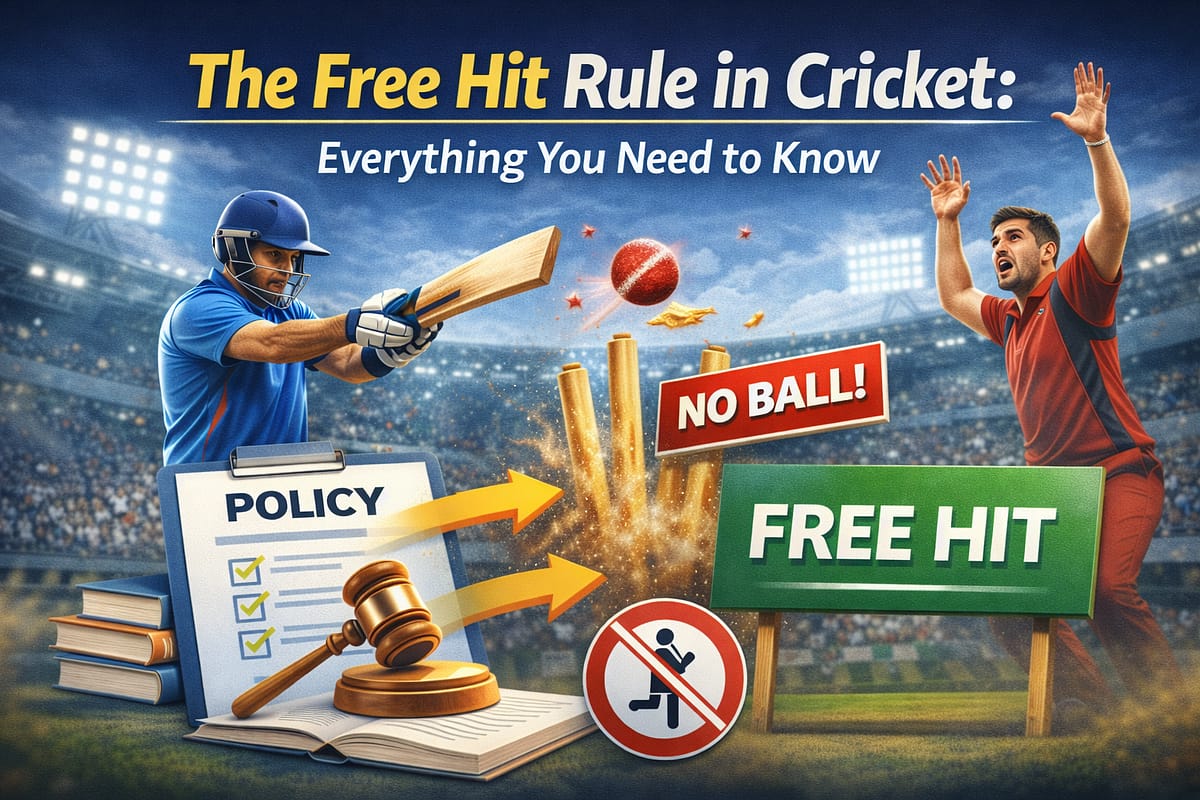
The Free Hit rule in cricket is one of the most exciting and unique aspects of limited-overs formats, especially in T20 and One Day International (ODI) matches. It can dramatically change the course of a game, offering batters a rare opportunity to play without the immediate threat of certain types of dismissals. But how does it work, and why is it so important?
A Free Hit is awarded after a bowler delivers a no-ball, which is an illegal delivery (like overstepping the crease or bowling a high full toss). The batter facing a Free Hit cannot be dismissed through most of the usual methods—such as getting caught, bowled, or LBW. Instead, they have an extra chance to attack, leading to more runs and added excitement for fans.
In limited-overs cricket, where every ball counts, the Free Hit rule adds an additional layer of strategy and unpredictability. It gives batters a rare opportunity to capitalize on the bowler’s mistake, often leading to powerful shots and more runs. For bowlers, the pressure increases since they have to deal with the batter’s free shot without the fear of a traditional dismissal.
What is a Free Hit in Cricket?
Cricket is a game of strategy.
The Free Hit rule adds an exciting twist to the game.
But what exactly is a Free Hit?
Why does it matter?
A Free Hit allows the batter to face one delivery with fewer dismissal risks.
The batter can play more freely on that ball.
In simple words, most common dismissals are not allowed on a Free Hit.
This gives the batter more confidence to attack the bowler.
Definition of the Free Hit Rule
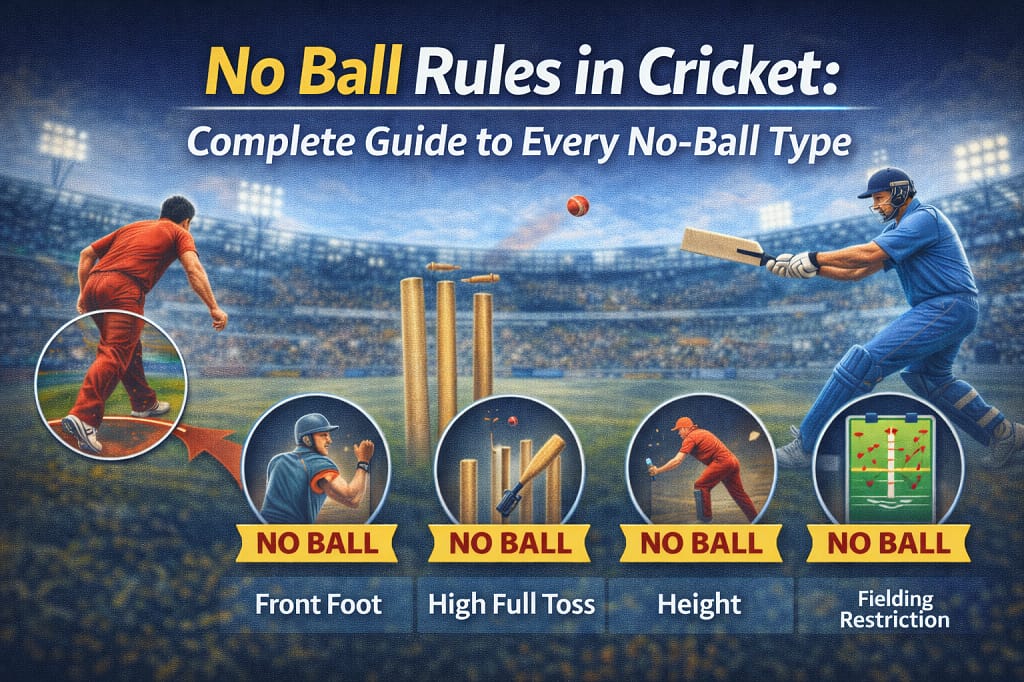
The Free Hit rule applies when the bowler delivers a no-ball.
A no-ball is an illegal delivery.
A no-ball can occur due to overstepping the crease.
It can also occur because of a high full toss above waist height.
When a no-ball is called, the next delivery becomes a Free Hit.
On a Free Hit, the batter cannot be dismissed in the usual ways.
Bowled, caught, and LBW are not allowed.
This gives the batter a strong chance to attack the next ball.
However, some dismissals are still possible.
The batter can be out only by run-out, hitting the ball twice, or obstructing the field.
For the batter, it is almost a risk-free shot.
Purpose and Impact on the Game
The main purpose of the Free Hit rule is to punish the bowler for a no-ball.
It shifts the advantage toward the batting side.
The rule also makes matches more exciting.
Batters get a clear opportunity to score quick runs.
In limited-overs cricket, every ball is important.
The Free Hit rule can change the momentum of a match.
For batters:
A Free Hit allows aggressive batting without fear of normal dismissals.
It often results in boundaries or sixes.
For bowlers:
It creates extra pressure after a no-ball.
The bowler must defend against an attacking batter.
For the game:
The rule adds unpredictability and excitement.
Teams can gain an advantage at crucial moments.
This rule is especially important in T20 cricket.
A single ball can change the entire match.
Real-World Example
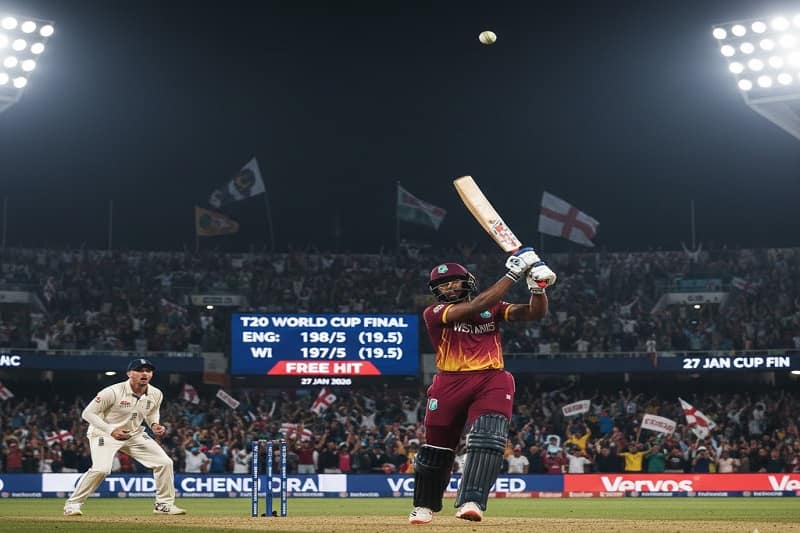
A famous Free Hit moment occurred in the 2016 T20 World Cup final.
The match was between West Indies and England.
In the final over, England’s bowler overstepped the crease.
The umpire called a no-ball and awarded a Free Hit.
The West Indies batter could attack without the fear of dismissal.
The next ball was hit for a decisive six.
That shot helped West Indies win the final.
The Free Hit rule turned a tense moment into a thrilling finish.
It clearly showed the importance of this rule in T20 cricket.
When Does a Free Hit Occur?
The Free Hit rule applies only in specific situations.
It mainly comes into effect after a no-ball.
Let us understand when a Free Hit is awarded.
We will also see what type of no-balls trigger it.
Explanation of When a Free Hit Is Awarded
A Free Hit occurs when a bowler delivers a no-ball.
A no-ball is an illegal delivery in cricket.
Several situations can cause a no-ball.
Front-foot no-ball:
This is the most common reason for a Free Hit.
When the bowler oversteps the front line, the umpire calls a no-ball.
The batter then receives a Free Hit on the next ball.
High full toss:
If the ball reaches the batter above waist height, the umpire calls a no-ball.
The next delivery becomes a Free Hit.
This rule protects the batter from dangerous deliveries.
Illegal overarm action:
If a bowler uses an illegal overarm action, the umpire calls a no-ball.
This also results in a Free Hit on the next delivery.
After the no-ball, the batter faces the next ball as a Free Hit.
The bowler cannot dismiss the batter by caught, bowled, or LBW.
However, some dismissals still apply.
The batter can still get out by run out.
They can also get out for hitting the ball twice.
Obstructing the field also remains a valid dismissal.
This rule allows the batter to play more aggressively.
It also increases the chances of scoring quick runs.
Overview of How the Free Hit Is Applied in Different Formats (ODI, T20)
The Free Hit rule applies primarily to limited-overs cricket, including formats like T20 and One Day Internationals (ODI). Here’s a look at how it works in these formats:
T20 Cricket
In T20 matches, where every ball is crucial, the Free Hit rule plays an even bigger role in changing the dynamics of the game. The fast-paced nature of T20 cricket means every delivery matters, and when a no-ball results in a Free Hit, it creates an opportunity for the batter to capitalize. The batter can take risks knowing that they are free from the usual dismissals.
- Impact on Strategy: Since a Free Hit often follows a no-ball, it can be a turning point in a match, particularly if it happens during the final overs. Batters often go for aggressive shots, looking for boundaries or even sixes.
- Key Moments: Free Hits are frequently seen in T20 matches during the death overs when bowlers are under pressure to restrict runs, but the batter is now free to attack.
ODI Cricket
In ODIs, the Free Hit rule works in the same way but carries its significance over a longer format. ODIs are generally played over 50 overs per side, and a Free Hit can occur at any stage during the game. However, because of the longer format, the impact of a Free Hit is felt differently than in T20s.
- Impact on Strategy: In ODIs, teams have more time to recover from a no-ball, but a Free Hit still provides a clear advantage to the batter, particularly when the no-ball occurs during a crucial stage of the match, like the final overs.
- Key Moments: Free Hits in ODIs can change the flow of the match, especially in tight situations where a batter needs to make the most out of every ball.
Real-World Example
One notable example of a Free Hit impacting a match came during the 2015 ICC Cricket World Cup. In a crucial match between Australia and New Zealand, a bowler from New Zealand overstepped the crease, giving Australia a Free Hit. The batter capitalized on this opportunity, hitting a boundary that helped swing the match in Australia’s favor.
Free Hit Rules: What You Need to Know
The Free Hit rule adds excitement and strategy to cricket, especially in limited-overs formats like ODIs and T20s. To fully understand its impact, it’s essential to know the key rules surrounding it. In this section, we’ll dive into the modes of dismissal during a Free Hit, fielding restrictions, and what happens when a Free Hit is also a wide or another no-ball—similar to pressure situations seen in the Super Over in Cricket.
Modes of Dismissal Allowed and Not Allowed
The Free Hit rule changes how a batter can lose their wicket.
It gives the batter a clear chance to attack the next delivery.
However, a few types of dismissals still apply.
What Types of Dismissals Are Still Possible During a Free Hit?
Even on a Free Hit, the batter can get out in the following ways.
Run out:
If the batter leaves the crease and the fielding team breaks the stumps with the ball, the umpire gives a run out.
This dismissal still applies during a Free Hit.
Hitting the ball twice:
If the batter hits the ball twice, the umpire can give them out.
This situation rarely happens in real matches.
Obstructing the field:
If the batter blocks a fielder with their body or bat, the umpire can give them out.
Which Dismissals Are Not Possible During a Free Hit?
The Free Hit rule protects the batter from several common dismissals.
Bowled:
The bowler cannot dismiss the batter by hitting the stumps on a Free Hit.
The batter stays at the crease even if the ball hits the stumps.
Caught:
A fielder cannot dismiss the batter with a catch on a Free Hit.
The batter remains not out even after a clean catch.
LBW (Leg Before Wicket):
The umpire cannot give the batter out LBW on a Free Hit.
This rule applies even if the ball strikes the pads in line with the stumps.
Stumped:
The wicketkeeper cannot stump the batter on a Free Hit.
This protection helps batters feel more confident and allows them to take more risks without the fear of a regular dismissal.
Fielding Restrictions During Free Hits
During a Free Hit, the fielding team faces certain restrictions, and these rules influence the dynamics of the game.
Fielding Placement Rules During Free Hits
When a Free Hit is awarded, there are specific fielding restrictions that the opposing team must follow:
- No Field Changes: The fielding team is not allowed to change the positions of fielders between the no-ball and the Free Hit delivery. This prevents any last-minute adjustments that might benefit the bowler or put pressure on the batter.
- Standard Fielding Setup: The fielding team must maintain the field placement that was in place at the time the no-ball was called. If the fielding team had a spread-out field with many fielders on the boundary, that remains in effect, which can benefit the batter by providing more opportunities for runs.
How the Fielding Side Is Affected by the Free Hit
Although the fielding side cannot alter their placements, there are still ways they can try to manage the Free Hit situation:
- Pressure on the Bowler: After a no-ball, the bowler is under pressure to deliver a legal ball. If they fail again, the batter could get another Free Hit, which further intensifies the situation.
- Fielding at the Wicket: The wicketkeeper is allowed to make adjustments to their position for safety reasons, particularly if a high full-toss is bowled. They can move behind the batter, but they cannot change the overall fielding setup.
These fielding restrictions ensure that the batter gets a fair chance to capitalize on the Free Hit without the fielding team making any unfair advantages.
What Happens If a Free Hit Is a Wide or Another No-Ball?
If the delivery that is called a no-ball (and leads to a Free Hit) is also a wide or another no-ball, the rules add more complexity. Here’s how it affects the Free Hit:
Impact on the Free Hit if the Delivery Is Also a Wide
- Extra Delivery: If the no-ball that leads to a Free Hit is also a wide, the batter will still face the Free Hit, but the wide ball counts as an extra delivery. Essentially, the batter gets an extra opportunity to score runs, adding further value to the Free Hit.
- Batting Advantage: This combination of a Free Hit and a wide delivery gives the batter a unique advantage. They get to play an attacking shot without worrying about being dismissed in the usual ways, and they also get to make the most of the wide delivery.
Impact of Another No-Ball
- Consecutive Free Hits: If the bowler delivers another no-ball (for instance, a front-foot no-ball again), the batter could be awarded another Free Hit for the subsequent delivery. This can be a game-changing moment, especially if it happens during the final overs of a match.
The combination of Free Hits with wide or repeated no-balls can lead to high-scoring opportunities for the batter, while also putting more pressure on the bowler to deliver legally.
Can a Batter Be Stumped on a Free Hit?
Explanation of the Stumping Rule During a Free Hit
Stumping happens when the wicketkeeper breaks the stumps while the batter stands outside the crease and does not attempt a run.
It usually happens when the batter misses the ball or loses balance after a shot.
During a Free Hit, the wicketkeeper cannot stump the batter.
The umpire does not allow stumping on a Free Hit.
The Free Hit rule protects the batter from normal dismissals.
This includes bowled, caught, and stumped.
Because of this protection, the batter can play more aggressive shots.
They can attack the ball without the usual risk of dismissal.
Strategic Insights for Batters During Free Hits
A Free Hit presents batters with an excellent chance to take full advantage of a no-ball without the fear of being dismissed. This is where a batter can make the most of the opportunity. Here’s how they can approach the situation:
Best Approaches for Batters During Free Hits
- Go for Aggression: Since the batter cannot be dismissed by most common methods, they have the freedom to play more aggressively. This is the ideal time for a batter to go for boundaries or even sixes. Batters should aim to capitalize on the bowler’s mistake by attacking, especially in the final overs.
- Target the Weaknesses of the Bowler: If the bowler has shown weaknesses, whether in their line, length, or speed, the Free Hit is the perfect time to exploit those areas. Batters should aim to hit the ball to the gaps or to the boundary, based on the bowler’s previous deliveries.
- Controlled Risk: While taking risks is part of the Free Hit, batters should maintain control. Going for a wild shot might lead to a fielder making an easy catch, so the focus should still be on smart play.
How Batters Can Capitalize on a Free Hit
- Positioning: A batter should position themselves well to take full advantage of the Free Hit. A Free Hit is typically more effective when the batter is prepared and watching the bowler’s approach closely.
- Back Yourself to Score: Whether it’s hitting the ball straight down the ground or taking the aerial route, batters should back themselves to make the most of the Free Hit and put the ball in the gap to maximize runs.
Strategies for Bowlers and Fielders During Free Hits
While the Free Hit rule is beneficial for batters, it presents significant challenges for bowlers and fielders. Here’s how they can adjust to minimize the impact:
Tips for Bowlers to Cope with the Free Hit Rule
- Focus on Accuracy: After delivering a no-ball, the bowler needs to re-focus and ensure they don’t commit another mistake. Being accurate with the next ball is essential to limit the batter’s scoring opportunities.
- Mix Up the Pace and Length: To prevent the batter from taking full advantage of the Free Hit, bowlers can vary their pace and length. This can disrupt the batter’s rhythm and make it harder to score freely.
- Use the Yorkers: A well-placed yorker is often the best way to bowl on a Free Hit, especially if the batter is expecting a full toss or short ball. Yorkers can limit the batter’s ability to go for the big shots.
Fielding Strategies to Minimize Free Hit Impact
- Set a Defensive Field: While field changes are restricted, the fielding captain can still ensure that the field is set in a way that minimizes the batter’s attacking options. A defensive field with more fielders near the boundary can put pressure on the batter to get the ball past them.
- Encourage Pressure on the Batter: Fielders should stay alert and ready to respond quickly to any attacking shot from the batter. In the event of a miss or a mis-hit, fielders must be quick to react and prevent easy runs.
Memorable Free Hit Moments in Cricket
Over the years, there have been several memorable Free Hit moments that have had a major impact on matches. These moments highlight the dramatic potential of the rule.
Examples of Notable Free Hit Incidents in Cricket History
- Shane Watson’s Six (2012 IPL): In the IPL 2012 final, Shane Watson took advantage of a Free Hit by smashing a six that helped the Rajasthan Royals chase down a challenging target, highlighting how a Free Hit can be a game-changer.
- Ben Stokes’ Last Over Heroics (2016 T20 World Cup): In the final over of the 2016 T20 World Cup, England’s Ben Stokes bowled a no-ball that gave the West Indies a Free Hit. Carlos Brathwaite seized the opportunity, hitting four consecutive sixes to win the match for the West Indies.
How These Moments Changed the Course of a Match
Free Hits can swing matches in dramatic ways. A single no-ball and subsequent Free Hit can shift the balance in favor of the batting side, especially during crucial moments like the final overs of a high-stakes match.
Common Misconceptions About Free Hits
Despite being a common rule in limited-overs cricket, there are still several misconceptions about Free Hits. Let’s clear up some of the most common ones.
Debunking Common Myths Related to Free Hit Rules
Myth 1: A batter can be caught on a Free Hit
Reality: A fielder cannot dismiss a batter with a catch on a Free Hit.
Only three dismissals apply on a Free Hit.
These are run out, hitting the ball twice, and obstructing the field.
Myth 2: A Free Hit applies to every type of no-ball
Reality: A Free Hit does not apply to all no-balls.
The umpire usually awards a Free Hit after a front-foot no-ball.
A high full toss can also result in a Free Hit.
Recent Changes to Free Hit Rules
The Free Hit rule has evolved over time, with notable changes that have made it more significant in modern cricket.
Overview of Rule Updates (e.g., Introduction for All No-Balls in 2015)
2007:
Cricket authorities introduced the Free Hit rule in limited-overs cricket.
At that time, the rule applied only to front-foot no-balls.
2015:
The ICC expanded the Free Hit rule to cover more types of no-balls.
It now also applies to dangerous high full tosses.
This change made the Free Hit more valuable for batters.
It also created more dramatic and match-changing moments.
How the Free Hit Rule Has Evolved Over Time
The Free Hit rule has become a critical element of modern cricket. It forces bowlers to be more careful, while also offering batters a chance to be more aggressive, leading to exciting and high-pressure situations.
Conclusion
In summary, the Free Hit rule has transformed the way cricket is played, particularly in limited-overs formats. By giving batters a chance to attack without the risk of being dismissed in common ways, it introduces a thrilling dynamic to the game. Bowlers and fielders must adapt to the pressure, making it a key moment of strategy. Ultimately, the Free Hit rule is an essential part of modern cricket, adding excitement and unpredictability to every match—something we regularly cover at Insight Study Hub, your trusted source for simple and reliable cricket rules and sports updates.






2 comments