Super Over in Cricket: Meaning, Rules, Examples & Complete Explanation
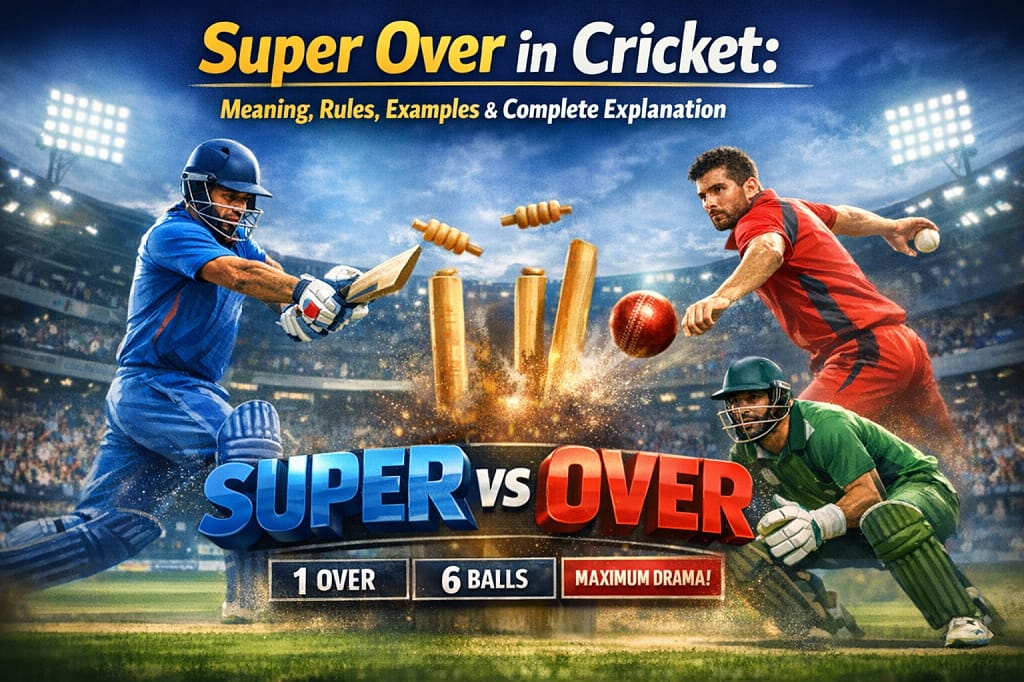
Cricket is a sport filled with excitement, emotions, and unforgettable finishes. Sometimes, even after both teams give their best performance, a match ends with the same number of runs. Such moments raise a big question — who should be declared the winner? To solve this problem fairly and decisively, modern cricket introduced an exciting tie-breaker known as the Super Over in cricket.
This rule has completely changed how teams decide tied matches.
It plays an important role in limited-overs formats such as T20 cricket and ODIs.
What Is a Super Over in Cricket?
A Super Over is a one-over tie-breaker in limited-overs cricket.
It takes place when a match ends in a tie.
Each team plays one over of six legal balls.
Both teams try to score as many runs as possible.
In simple terms, the Super Over works like a sudden-death round.
It creates intense pressure for both teams.
This format mainly appears in T20 cricket.
Organisers also use it in important tournament matches to decide a clear winner.
Why Cricket Needed a Tie-Breaker
The Problem of Tied Matches
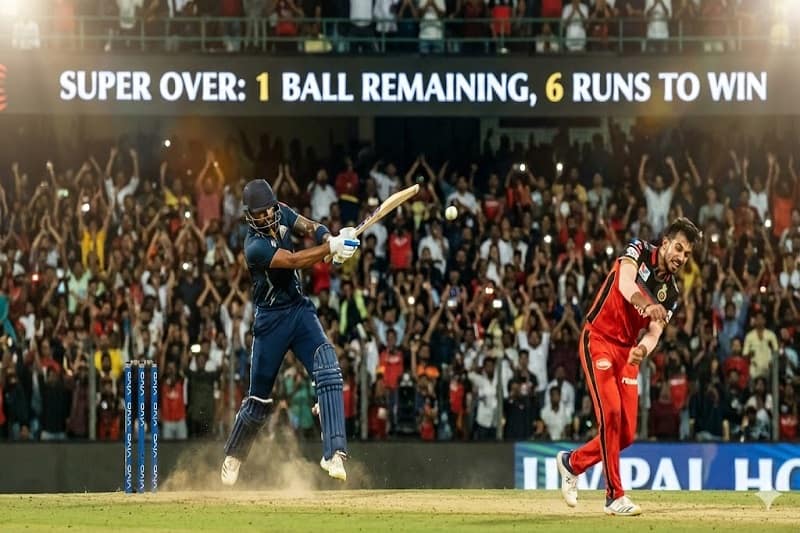
In earlier times, tied matches often ended without a winner, especially in limited-overs cricket. While this might have been acceptable in friendly matches, it caused disappointment in tournaments and finals. Players invest immense effort, and fans expect a clear result after a close contest.
Cricket introduced the Super Over to remove this uncertainty. Instead of sharing results or declaring a draw, the teams get one final chance to decide the result on the field.
Importance in T20 and Knockout Games
T20 cricket is fast-paced and aggressive, which increases the chances of tied matches. In knockout games and finals, a draw is not an option — one team must win.
The Over ensures:
- A clear winner
- Fair chances for both teams
- High entertainment value
This is why the Super Over has become essential in modern limited-overs cricket.
Role in Deciding a Clear Winner
Each team gets an equal opportunity under the same conditions. With only six balls, pressure handling, skill, and strategy become crucial. The Super Over in cricket rewards teams that perform best under extreme pressure, ensuring a decisive and fair result.
When Does a Super Over Happen in Cricket?
Not every close match in cricket leads to a Super Over. The over in cricket is used only in specific situations and formats, where a clear result is required.
Match Tie Conditions
A Super Over occurs only when a match is tied. This means:
- Both teams score the same number of runs
- The team batting second either equals the target or gets all out on the same score
A close match is not always a tied match.
Formats Where Super Over Is Allowed
The Over is used in:
- T20 matches (IPL, international T20s)
- ODI matches (mainly in tournaments and knockouts)
T20 cricket sees Super Overs more frequently because of its high-scoring nature.
Why Super Over is Not Used in Test Cricket
Test cricket follows a traditional format played over five days. Draws and rare ties are accepted as part of the game’s beauty. Introducing a Super Over would go against its long-format philosophy.
Super Over Rules in Cricket (Explained Simply)
To fully understand the excitement of a tied match, it is important to know the Super Over rules in cricket. These rules are designed to be simple, fair, and easy to follow, even for new fans.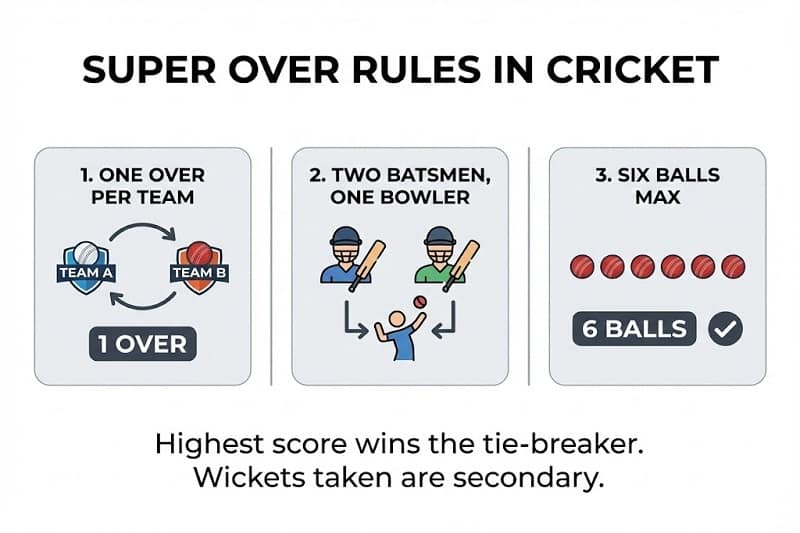
One Over per Team Rule
Each team gets only one over (six balls) to bat. The team batting first sets a target, and the team batting second tries to chase it.
Number of Batsmen and Bowlers Allowed
- Only two batsmen can bat
- Only one bowler bowls the entire over
No new batsman is allowed once a wicket falls. This rule forces teams to choose their best players, especially in Super Over in T20 matches.
Wickets Limit in a Super Over
A maximum of two wickets can fall. If both batsmen are dismissed, the over ends immediately.
Fielding and Bowling Rules
- Standard T20 fielding restrictions apply
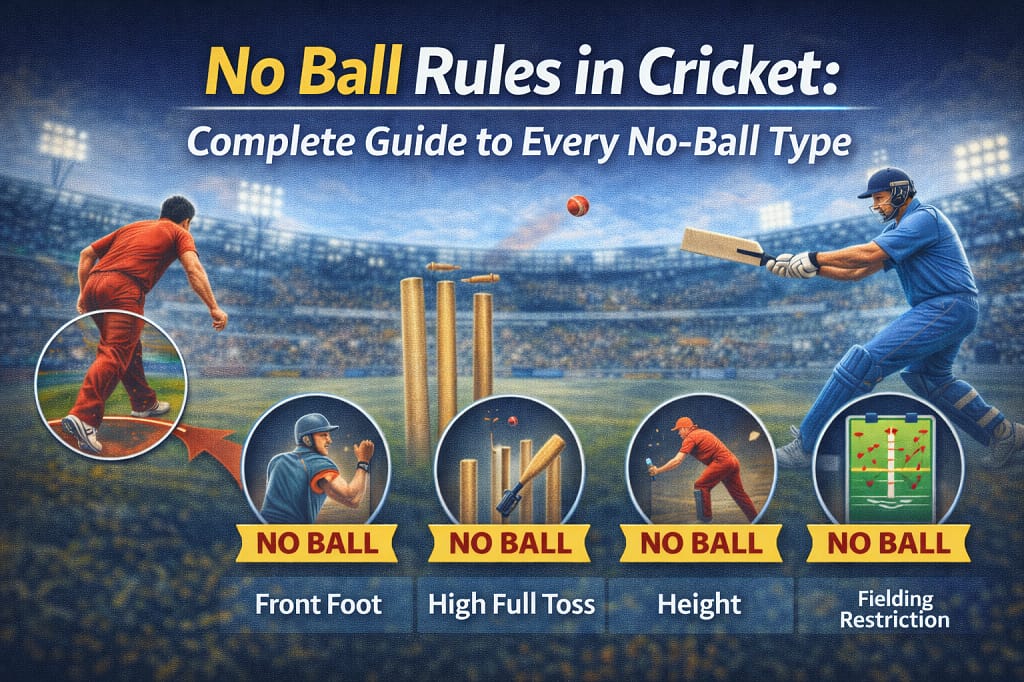
- No-balls and wides count as extra runs
- Free hits apply in T20 overs
These familiar rules make the Super Over in cricket easy to understand for fans.
What Happens If the Super Over Is Also Tied?
The Super Over usually produces a clear winner.
However, in rare cases, the Super Over can also end in a tie.
Cricket authorities created clear rules to handle this situation.
These rules help officials decide the final winner without confusion.
Understanding these rules also helps fans follow the result more easily.
Earlier Boundary Count Rule
Earlier, officials decided tied Super Overs using the boundary count from the main match. This rule faced heavy criticism, so cricket authorities later removed it.
How the Final Winner Is Decided
The match ends as soon as one team scores more runs than the other in the Super Over.
This method ensures fairness and lets the teams decide the result on the field, not through statistics.
Super Over Example in Cricket (IPL & International Matches)
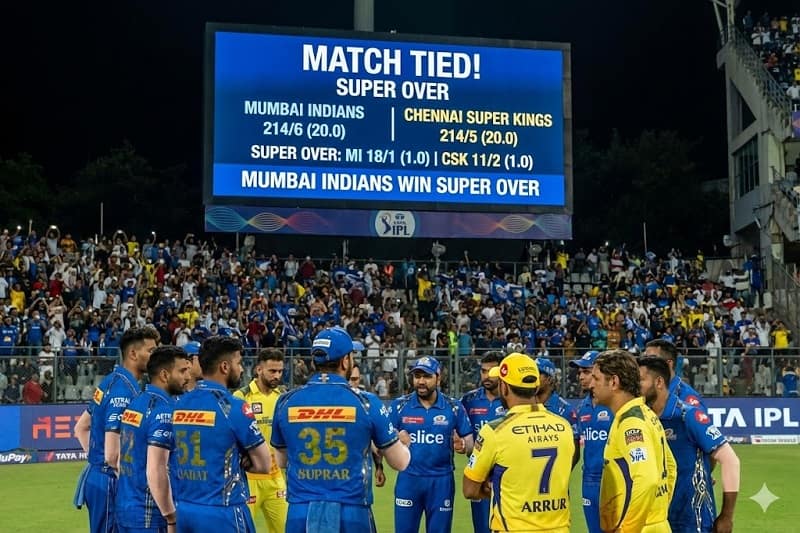
To understand the Super Over in cricket more clearly, let’s look at a simple, real-world style example. Practical examples make it easier for both new and experienced fans to see how the over actually works in high-pressure situations.
Super Over in IPL
The IPL has produced some of the most memorable Super Overs. Power hitters, death-over specialists, and massive crowds make every over unforgettable.
Super Over in International Cricket
In World Cups and knockout matches, Super Overs decide national pride.
Teams usually select experienced and mentally strong players for these moments.
Super Over in IPL vs International Cricket
- IPL: Entertainment-focused, aggressive batting
- International cricket: Strategic, pressure-driven
Despite the difference in approach, both formats rely on the Super Over in cricket to deliver fair results.
Why Super Over Is Important in Modern Cricket
- Ensures a clear winner
- Increases fan engagement
- Adds drama and excitement
- Makes tournaments more competitive
It has become a defining feature of modern limited-overs cricket.
Conclusion
The Super Over in cricket is one of the most exciting innovations in modern cricket. It ensures fairness, delivers thrilling finishes, and guarantees a clear winner in tied matches. Whether in the IPL or on the international stage, the over has become a defining feature of limited-overs cricket that every fan should understand.
If you enjoy learning about cricket rules, match formats, and sports-related knowledge, explore more informative articles on our website at Insight Study Hub, where we regularly publish easy-to-understand and updated content for sports lovers and students alike.







2 comments